Skip Hire in Fulham for straightforward waste collection and responsible disposal

Skip hire in Fulham is a practical way to manage domestic, commercial and building waste when you need a single collection point and a clear disposal plan. We provide a range of skip sizes for mixed rubbish, renovation debris and heavier materials, with service options shaped around access, loading needs and the type of waste involved. The aim is simple: make it easier to clear space, keep the site tidy and send suitable waste into the correct route for processing.
For many customers, the decision is less about the skip itself and more about choosing the right service format. Some projects suit a conventional drop-off and collection, while others call for a quicker arrangement where access is tight or the material is ready to load immediately. Our domestic skip hire, builders skip hire and wait and load options give different ways to plan the same task. Choosing the right fit at the outset helps keep waste handling organised and avoids unnecessary disruption.
Use the main service pages to compare the available approaches, then request a quotation when you know the basic details of the job. If you are uncertain about the size, the waste type or the timing, it is usually best to start with the most relevant service description and work from there. You can also make a direct enquiry once you have checked the practical information you need.
Domestic skip hire for home clearances and renovations
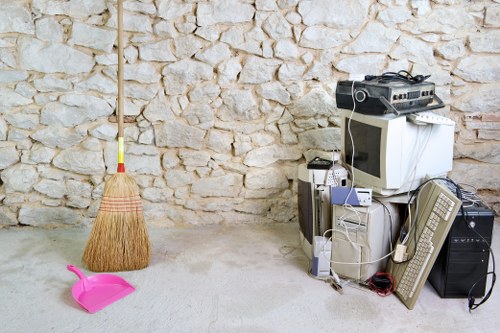
Domestic skip hire is often chosen for household clear-outs, bathroom updates, kitchen refits and general decluttering. It suits waste that is difficult to take to a tip in multiple car loads, especially when the material is mixed and bulky. The main task is to keep the load orderly enough for safe removal and legal disposal, while still giving you enough capacity to work through the job without repeated interruptions.
Home projects usually benefit from a skip that matches the amount and type of material rather than simply the cheapest available option. A smaller skip can be enough for light contents from a loft or garage, while renovation work may need more room for broken fittings, timber, packaging and non-hazardous rubble. Our domestic skip hire page gives a straightforward starting point, and the skip sizes and prices page is useful when you want to compare typical capacity and the factors that affect the quotation.
For the smoothest arrangement, it helps to think about access, where the skip can be positioned and whether the waste will be loaded gradually or all at once. If the load includes items that cannot go in a skip, these should be separated before collection. When you are ready, use the quotation route that suits the job best and provide a brief description of the waste so the recommendation can be more accurate.
Builders skip hire and construction waste handling

Builders skip hire is designed for ongoing work where waste builds up through demolition, stripping-out or general construction activity. Common materials include plasterboard, timber, packaging, old fixtures and inert rubble, although the exact mix should always be checked before loading. This service is useful where the aim is to keep the working area clear without relying on repeated ad hoc removal, particularly when several trades are sharing the same site.
For heavier or more targeted construction loads, the related construction waste disposal page helps explain how suitable materials are handled, while construction waste clearance is a useful option when debris needs to be taken away after a phase of work rather than kept on site. If the job involves demolition, the demolition waste removal service gives a more specific route for broken masonry, fittings and associated debris.
Construction waste is often easier to manage when each stage of the project is matched to the removal plan. That can mean allowing for progressive loading, separating prohibited items and keeping pathways open for safe collection. If you need a quotation, it helps to describe the waste type, the likely amount and whether the site has special access limitations. Clear information at the start supports a more suitable recommendation.
Commercial and site clearance solutions
Businesses and property managers often need a way to remove bulky waste without letting it accumulate around entrances, storage areas or working floors. Our commercial skip hire can support that kind of routine clearance, while site clearance is more appropriate where a larger quantity of mixed material needs to be removed from one place in a controlled sequence. The right choice depends on whether the waste is mainly from day-to-day operations, a fit-out or a fuller clear-down.
The office clearance page is relevant for desks, chairs, partitioning and general workplace items, especially where the contents need to be removed neatly and without unnecessary confusion over what is being taken. For larger mixed loads, site clearance is a broader option that can work well when there is debris left after works, along with non-hazardous items from the same area. The rubbish removal page is also worth checking where the job is smaller but still needs prompt collection.
Commercial planning is usually improved by grouping similar materials and deciding whether the waste will be loaded in stages or in one visit. That simple decision affects both access and timing, especially when the collection area is shared with staff, customers or contractors. When you ask for a quotation, a short description of the load and the access conditions is usually enough to begin.
Clearance services for garages, lofts, homes and furniture
Some jobs are better handled as a clearance rather than a skip drop-off, particularly where the waste includes awkward household items, mixed contents or furniture that needs sorting before removal. The garage and loft clearance service is useful for stored items, seasonal clutter and accumulated belongings, while house clearance supports fuller domestic removals where different room contents need collecting in an organised way.
If furniture is the main issue, the mattress and sofa disposal page gives a direct route for large soft furnishings, while fridge and appliance removal is more suitable for white goods and other items that need separate handling. For a wider household clear-out, house clearance can be a better fit because it covers a more complete collection of domestic contents rather than a single bulky item.
It is useful to separate reusable, recyclable and restricted items before any collection is arranged, especially when the contents come from different parts of the home. Where access is awkward, describe stairways, narrow hallways or parking constraints so the collection method can be matched to the property. If you already know the main item types, that can make the quotation process quicker and more precise.
Garden waste, recycling and greener handling choices
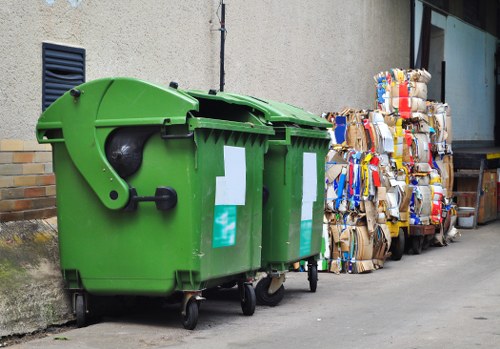
Garden waste removal is designed for organic material and outdoor clearance tasks such as branches, hedge trimmings, soil, turf and general green debris. It is a sensible choice when the volume is more than can be moved easily in a small vehicle or when the waste has been gathered over several jobs. Keeping green waste separate from heavy rubble or household clutter helps it move through the correct disposal route.
The garden waste removal page is the most direct option for this kind of work, while waste recycling services and recycling and sustainability explain the broader approach to sorting materials and reducing avoidable disposal. Where the waste includes heavy spoil or mixed soil and aggregates, muck away services may be more suitable than a standard skip arrangement because the load type and collection method are different.
If you are planning an outdoor clearance, think about whether the waste is mainly green material, heavier earth or a combination of both. That distinction matters because it affects the likely handling method and the most practical service. Separating the categories before booking keeps the collection clearer and helps with a more accurate quotation.
Hazardous and restricted waste considerations
Not every waste stream can be treated in the same way, and certain items require separate handling or specialist disposal. Our hazardous waste disposal page is the right place to start if the load includes chemicals, contaminated material or other restricted items. These materials should not be mixed with ordinary household or building waste, because the disposal route depends on what is present and how it must be processed.
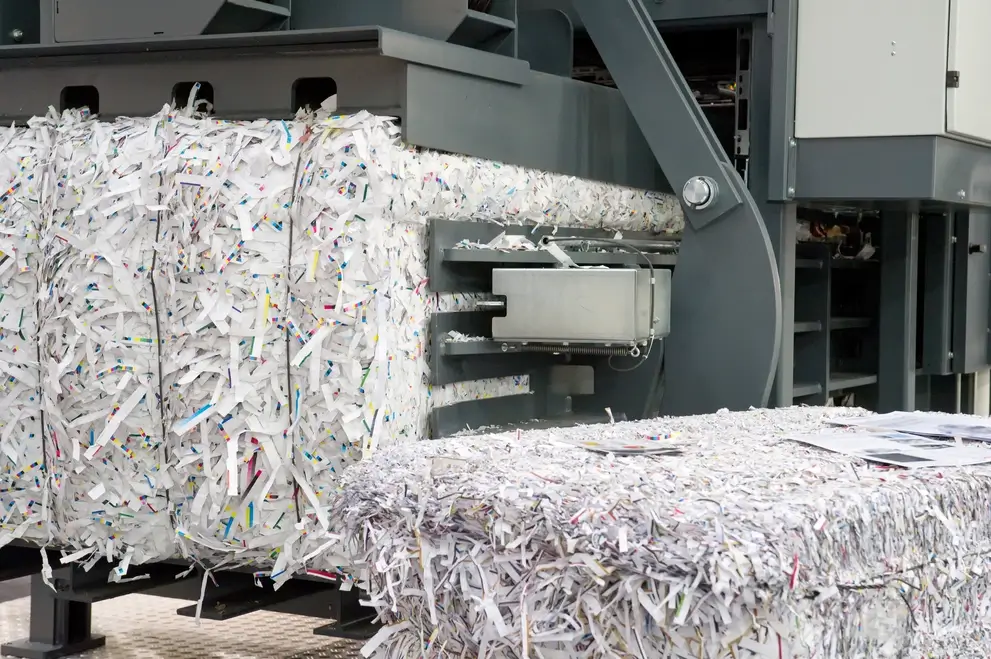
For office environments, confidential paper may need a different process again, which is why confidential shredding is listed separately from general rubbish removal. In many cases, the most useful step is to identify the restricted item early, then decide whether the whole load needs a specialist route or whether only part of it does. The what can go in a skip page is a practical reference when you are checking the boundary between standard and restricted waste.
Where a load contains a mixture of normal and restricted material, the safest approach is to describe the contents clearly before anything is booked. That allows the service to be matched properly and avoids misunderstanding about what can be taken. If the item is unusually heavy, sealed, fragile or potentially contaminated, mention that as well so the collection method can be selected with care.
Access, loading and permit options
Practical access details can shape the whole arrangement, especially on residential streets or compact commercial sites. Some jobs are straightforward drop-off collections, while others are better handled through wait and load, where waste is loaded without leaving a skip on the road or driveway. The wait and load skip hire page is useful when space is limited or you need a quicker turnaround with no long placement period.
If a skip needs to be placed on public highway land, the skip permits and skip hire permits pages explain the permit side of the arrangement. For sites with height restriction, privacy needs or extra security concerns, enclosed and lockable skip hire is a more specific option that may suit the way the waste needs to be stored. These are different service decisions, so it is worth checking them before confirming the booking.
When making an enquiry, the most useful details are usually the waste type, the access conditions and whether the collection point is private or public. A brief note about parking, gates or loading space can prevent avoidable back-and-forth. Good preparation is simply a way of making the service fit the location, not an extra burden for the customer.
About Fulham
Fulham is a district in the London Borough of Hammersmith and Fulham, in west London, situated on the north bank of the River Thames. Historically, it developed from a river-side settlement and later became known for a mix of residential streets, schools, churches and local commerce. The area contains a varied street pattern that reflects centuries of growth, with older routes meeting later Victorian and Edwardian development. Parts of Fulham are closely associated with the Thames foreshore, riverside walks and bridges that connect it to neighbouring districts. Parsons Green, a notable open space and transport hub within Fulham, is one of the better-known local landmarks, while Eel Brook Common provides a substantial patch of green space with sports facilities and trees. The district also includes Fulham Palace, a historic former residence of the Bishops of London with landscaped gardens and a museum role, giving the area a visible connection to ecclesiastical history. Nearby Stamford Bridge lies just beyond the traditional extent of Fulham but is often part of wider local discussion because of its sporting profile. The local built environment combines terraces, mansion blocks, commercial parades and newer riverside developments, which gives Fulham a layered urban character rather than a single architectural style. Public transport, river proximity and local parks all contribute to a place that feels both densely urban and unusually varied in its open spaces.
Skip sizes, timings and quotation factors

The right quotation depends on several practical factors, not just the headline service name. Waste type, estimated volume, access conditions, collection method and any permit requirement can all influence the final arrangement. A lighter domestic clear-out will usually be assessed differently from a heavier builders load, while a restricted or awkward site may need a more carefully planned collection. That is why the relevant service page matters before you request pricing.
The pricing and quotes page is the best place to begin when you are ready to compare the options in a commercial way, and book online is available when the job details are already clear. If you are still deciding on the most suitable approach, the earlier service pages can help you narrow it down first. A well-matched enquiry should be concise, but it should still mention the main waste category, the approximate amount and any access issue that could affect collection.
When you are ready, request a quotation with the core details only and keep the rest focused on the job itself. That makes it easier to recommend a suitable service without unnecessary delay. If you would like to move forward, send the details for a quotation and we will help you choose the most appropriate option for the waste you need removed.
Why customers compare service types before booking
Different waste tasks need different handling, which is why it helps to compare the available service types before confirming anything. A skip is a good fit when you want ongoing loading space, while a clearance service may work better where the items are ready to be removed in one go. For some jobs, a specialised disposal page is the most efficient route because it matches the waste category more accurately from the outset.
Useful planning is usually based on the basics: what is being removed, how much there is, where it is located and whether anything needs separate treatment. If you can answer those points, you are already most of the way to a suitable enquiry. The pages on builders waste removal, garage and loft clearance and same day skip hire each give a different commercial route, so the best choice depends on the job rather than a one-size-fits-all approach.
Once the service is matched to the task, the rest is mainly about keeping the collection clear and workable. That means avoiding restricted items, planning access and allowing enough room for safe loading. If you already know what you need, the quickest next step is to ask for a quotation.