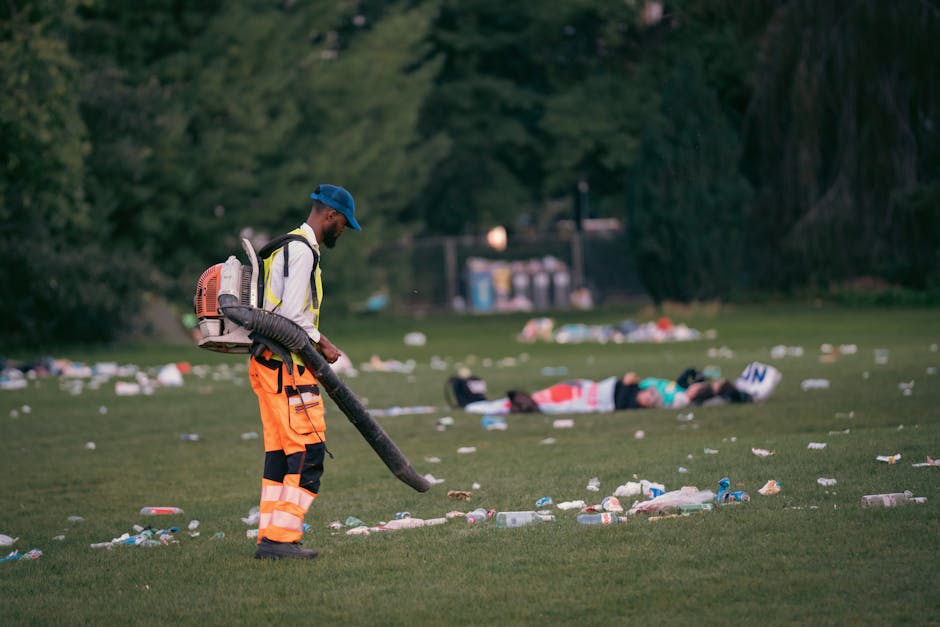
Stamford Bridge rubbish clearance for match days
Match days at Stamford Bridge have a rhythm of their own. The gates open, the crowds build, food packaging starts appearing faster than you'd expect, and by the final whistle the area can feel a bit bruised by the day's energy. That is exactly where Stamford Bridge rubbish clearance for match days matters: not as an afterthought, but as part of keeping the whole experience safe, tidy, and workable for everyone involved.
Whether you are managing a local hospitality space, preparing a nearby venue, handling a club-adjacent property, or simply trying to keep rubbish from spilling into a busy post-match street scene, the job is really about control. Fast removal. Clear access. No unnecessary mess. And, to be fair, no one wants to be the person wrestling with overflowing bags while supporters stream past. In this guide, we'll break down how match-day clearance works, what to plan for, common mistakes to avoid, and the practical options that usually make the most sense.
Why Stamford Bridge rubbish clearance for match days Matters
On a normal day, rubbish is a nuisance. On a match day, it can become a real operational problem. Stamford Bridge is surrounded by busy pavements, transport links, food outlets, residential streets, and short windows where foot traffic surges hard. That means litter, cardboard, food waste, drink packaging, disposable cups, and bagged waste can build up much quicker than people expect.
Good clearance is about more than appearances. It helps keep walkways open, reduces slip and trip hazards, and stops waste from drifting into doorways or blocking service access. If you've ever watched a gust of wind send lightweight packaging down the street at exactly the wrong moment, you'll know the feeling. It's messy in a blink.
There is also a reputational side. Whether you run a business near the stadium or support operations around event days, tidy external space sends the right message. It says the place is managed well. Calm. Prepared. Not scrambling.
And then there's timing. Match-day waste is often not a "collect it later" situation. Once crowds move on, the window for easy clearance can be surprisingly short. Miss it, and you are left with heavier bag loads, more contamination, and a lot more sweeping. Nobody needs that, especially when London traffic and footfall are doing their usual thing.
How Stamford Bridge rubbish clearance for match days Works
In practical terms, match-day rubbish clearance usually starts before the crowd arrives. That means assessing likely waste volumes, planning access points, deciding where waste will be staged, and matching the collection method to the site's layout. Around Stamford Bridge, that planning matters because roads, pavement widths, service access, and parking are all part of the puzzle.
The process typically falls into a few stages:
- Pre-match planning - identifying waste hotspots such as entrances, hospitality areas, temporary setups, and nearby food service points.
- On-site containment - using robust sacks, bins, cages, or wheeled containers so waste does not spread during busy periods.
- Collection or clearance - removing bagged rubbish, cardboard, packaging, and bulky items at suitable times, often early, late, or between activity peaks.
- Sorting and disposal - separating recyclable materials where possible and taking remaining waste to the correct facility.
- Final sweep-down - checking corners, loading points, walkways, and skip-adjacent areas for stray litter or overflow.
The actual method depends on how much waste you expect and how quickly it needs to move. Sometimes a simple man-and-van collection is enough. Sometimes you need a more structured solution such as a rubbish removal service, or even a planned arrangement with waste recycling services if the material mix is predictable.
For larger or more awkward loads, another sensible route may be grab hire services or a skip-based approach through skip hire. The right answer depends on space, timing, and how quickly the waste needs to disappear from sight. Sometimes the answer is obvious. Often it isn't. That's normal.
Key Benefits and Practical Advantages
When the clearance plan is done properly, the benefits show up in small but important ways. You notice fewer bags left leaning against walls. Fewer loose cups on the pavement. Less post-match chaos around loading bays. It's not glamorous, but it makes a real difference.
- Safer access - clear routes reduce the chance of trip hazards and blocked entrances.
- Better presentation - a tidy exterior feels managed, which matters for customers, visitors, and neighbours.
- Faster turnover - clearing waste quickly helps spaces reset for the next service period.
- Improved recycling potential - cardboard, plastics, and clean packaging are easier to separate when handled early.
- Less stress for staff - teams can stay focused on service instead of firefighting rubbish piles.
- Reduced complaint risk - nearby residents and businesses are less likely to raise concerns when waste is managed proactively.
There is also a surprisingly practical benefit: efficiency. A clean, planned site is easier to work in. The collection team moves faster, the waste stream is cleaner, and fewer things get damaged or missed. In our experience, that is where the savings often hide - not in some dramatic single moment, but in all the small avoided problems.
Expert summary: Match-day rubbish clearance works best when it is treated as a timed operational task, not a general tidy-up. The earlier you plan the waste flow, the less likely you are to end up with overfilled bins, blocked access, or expensive last-minute fixes.
Who This Is For and When It Makes Sense
This kind of clearance is relevant to a wider group than people first think. It is not just for the stadium itself. Nearby businesses, event caterers, landlords, facilities teams, temporary traders, hospitality venues, and private property owners can all need some version of it.
It makes sense when you are dealing with:
- high footfall before and after a match
- large volumes of food and drink packaging
- temporary signage, cardboard, or promotional materials
- outdoor seating or hospitality waste
- bulkier items that cannot just be put out with routine bins
- tight turnaround times between events
It also makes sense if your usual waste setup works fine on a Tuesday but struggles badly on a Saturday fixture. That gap is common. A system that is fine for ordinary trade can buckle under event pressure, and then everything starts to feel a bit frantic. You know the scene: bags stacked in the wrong place, someone asking where the bin keys are, and the clock moving faster than anyone likes.
If your operation also includes office or back-of-house space, it can be useful to combine match-day clearance with a broader service such as office clearance or commercial skip hire. If the waste is mixed and fast-moving, a flexible option like wait and load skip hire may be the better fit. Different jobs, different tools.
Step-by-Step Guidance
If you want a smooth match day, the best approach is to break the work into clear steps. That sounds basic, but basic done well beats complicated done badly. Every time.
- Estimate the likely waste volume. Think about crowd size, catering output, packaging type, and any temporary materials being used.
- Map your disposal points. Decide where bags, bins, or containers will sit so they do not obstruct entrances, fire exits, or pedestrian routes.
- Choose the right clearance method. For light but frequent waste, a bag-based collection may be enough. For bigger volumes, choose skip hire, grab hire, or a combined approach.
- Separate recyclable material early. Keep cardboard, clean plastic, and mixed waste apart where possible. Once everything is mixed, the job gets harder fast.
- Arrange collection windows. Build around match-day timing. Early collection may suit pre-event waste; late collection may suit the post-match surge.
- Protect access points. Make sure waste does not creep into loading bays, alleyways, or narrow routes where people need to pass.
- Do a final site sweep. A quick end-of-day check catches loose litter, misplaced sacks, and overflow before they become tomorrow's problem.
One small but useful habit: assign one person to be the waste point-of-contact. It stops duplication, confusion, and that familiar "I thought someone else handled it" moment. We've all seen that one. Not ideal.
If your team is working with heavier or awkward materials, services like man and van collection or construction waste clearance can also be useful depending on the load. And for anything that is bulky rather than loose, a planned skip permits check may save headaches later.
Expert Tips for Better Results
After enough busy clearances, a few patterns become obvious. The jobs that run well are rarely the ones with the fanciest setup. They are the ones with clean habits and sensible timing.
- Use stronger sacks than you think you need. Thin bags fail at the worst possible time. Usually near the kerb. Usually when it's raining.
- Keep recyclables dry. Wet cardboard can turn a neat recycling load into a bulky nuisance.
- Plan for the bottleneck, not the average. The busiest 30 minutes matter more than the calmest three hours.
- Don't overfill containers. It slows lifting, causes spill risk, and makes collection less efficient.
- Use enclosed storage if needed. In exposed spots, an enclosed and lockable skip hire option can help protect the contents and keep things looking tidier.
- Think about neighbours. Noise, odour, and visual clutter all matter more in a dense London setting.
Here's a small but real-world point: the best waste plan is often the one that reduces movement. Every extra trip with a bag across a crowded area adds risk, time, and friction. Keep the system close to the source if you can. It just works better.
And if your schedule is brutally tight, same-day support can be the difference between "managed" and "slightly chaotic but survivable." There's no prize for making life harder than it needs to be.
Common Mistakes to Avoid
Most problems with match-day rubbish clearance are predictable. That's the frustrating part. They don't arrive from nowhere. They usually start with under-planning or a small assumption that turns expensive later.
- Waiting until after the match to arrange removal - by then, access is harder and waste has often spread out.
- Using the wrong type of container - too small, too open, or too awkward to move safely.
- Mixing everything together - this can reduce recycling options and make disposal less efficient.
- Blocking routes with sacks or bins - this creates obvious safety and access issues.
- Ignoring permit needs - if a skip is going on a public road, the rules need checking first.
- Not accounting for weather - wind and rain can turn a tidy setup into a mess quickly.
One of the biggest mistakes is assuming a routine waste plan can absorb event pressure without adjustment. Sometimes it can. Often it can't. If the site normally generates two bags of waste but match day creates twenty, the system needs to change. Obvious, maybe. Yet this is where people get caught out.
Another common slip is forgetting about the back end of the operation. You can have perfect front-of-house waste control and still lose the day because the collection access is wrong. A narrow gate, a parked vehicle in the wrong place, a missed time slot - that sort of thing has a habit of snowballing.
Tools, Resources and Recommendations
The right tools depend on the size of the job, but a few essentials come up again and again. If you are organising rubbish clearance around Stamford Bridge, it helps to think in terms of containment, access, and final disposal.
| Option | Best for | Strengths | Watch-outs |
|---|---|---|---|
| Bagged waste collection | Small to medium mixed rubbish | Simple, quick, flexible | Can struggle with high volumes or heavy loads |
| Skip hire | Planned clear-outs and steady waste streams | Good capacity, familiar process | Needs space and may need permits |
| Grab hire | Large, loose, or bulky loads | Fast removal, less manual handling | Needs access and suitable collection positioning |
| Wait and load | Short dwell times or tight urban areas | Useful where skips would be awkward | Requires precise timing |
| Recycling-led collection | Cardboard, clean packaging, and segregated waste | Better environmental performance | Needs source separation to work properly |
For many event-adjacent jobs, the most useful supporting pages are those that help you think beyond simple rubbish removal. If you are dealing with mixed commercial material, builders waste removal may be relevant. If the site has a broader tidy-up after a busy period, house clearance or garage and loft clearance style planning can be surprisingly helpful as a model for sorting and staging.
For bulky items, specific services such as mattress and sofa disposal or fridge and appliance removal are worth knowing about when the waste is no longer just bags and packaging. If the waste is delicate or data-related, confidential shredding can be part of a sensible back-office plan.
Law, Compliance, Standards, or Best Practice
Waste handling in the UK is not something to guess at. You do not need to be a legal expert to stay on the right side of things, but you do need a sensible system. Duty of care applies to waste producers, and that means making sure rubbish is stored, transferred, and disposed of responsibly.
In practical terms, that usually means:
- using a licensed and suitable waste carrier
- separating hazardous material where it appears
- keeping waste secure so it does not escape or create nuisance
- checking whether skip placement requires permission or a permit
- making sure staff understand what can and cannot go into each container
Match-day waste can also include items that need extra care, such as broken glass, contaminated packaging, sharp objects, or cleaning materials. If there is any doubt, treat those items carefully and use the right collection route. For anything potentially dangerous, hazardous waste disposal should be handled separately, not blended into general rubbish because it is convenient. Convenience has its limits.
Health and safety matters too. A tidy waste area is not just about aesthetics; it is about reducing slips, manual handling injuries, obstructions, and avoidable contact with sharp or contaminated items. If your team is setting up or moving loads by hand, a cautious approach is the right one. No heroics. Just good habits.
Best practice, in plain English, is this: contain the waste, label the process clearly, collect it on time, and keep the route clear. That sounds simple because it is. The hard part is doing it consistently when the crowd noise rises and everyone is rushing. That's where proper planning earns its keep.
Options, Methods, or Comparison Table
Different clearance methods suit different match-day pressures. There is no single "best" choice for every site. A good decision depends on access, waste type, time available, and how much disruption you can tolerate.
| Method | Best use case | Pros | Cons |
|---|---|---|---|
| Rubbish removal crew | Fast collection of mixed bags and general waste | Very flexible, minimal setup | Less suited to large planned volumes |
| Skip hire | Steady, planned waste generation | Good for larger volumes, simple staging | Space and permit considerations |
| Grab hire | Bulky, loose, heavier material | Efficient and fast for bigger jobs | Needs suitable access and stacking area |
| Wait and load | Short-term, restricted parking or road constraints | Handy in tight urban locations | Scheduling has to be precise |
For many match-day operations around Stamford Bridge, a hybrid model works best. That might mean bins or sacks for the immediate build-up, plus a pre-booked same-day skip hire or fast collection for the end-of-day clear-down. If the material includes a lot of cardboard from catering or deliveries, a waste stream designed around what can go in a skip can help prevent rejected loads and wasted time.
If you want to minimise parking disruption, some businesses also favour skip permits planning in advance, or they avoid roadside skips entirely by using a collection model. Simple, but effective. And usually less stressful.
Case Study or Real-World Example
Picture a small hospitality venue a short walk from the stadium. On ordinary days, the venue handles standard trade waste and a handful of cardboard boxes. On a match day, though, everything changes. Extra packaging arrives early. Drink cartons stack up behind the bar. A few temporary signs, disposable service items, and food-related waste all show up at once. By mid-afternoon, the usual bin routine is already strained.
The team decides to stage waste in two zones: one for clean recyclable cardboard and packaging, the other for mixed general waste. They arrange a collection window after the main crowd movement, rather than trying to remove loads right in the middle of peak footfall. A small, tidy holding area is kept away from the entrance, and the final sweep happens just before closing.
The practical result is pretty simple: no overflowing sacks by the door, no blocked pavement edge, and no panicked last-minute search for somewhere to dump boxes. The venue does not become a waste-processing centre - which, let's face it, nobody wants - and staff can stay focused on service instead of juggling bags every ten minutes.
That sort of planning is not dramatic. It is just smart. And most good clearance work is like that. Quietly effective.
Practical Checklist
Use this checklist before and during a match-day clearance plan:
- Confirm the match time and likely peak footfall
- Estimate the waste volume and likely waste types
- Separate recyclable and general waste where practical
- Choose the collection method that suits the site layout
- Check whether a permit or access arrangement is needed
- Keep routes to bins, skips, or loading points clear
- Brief staff on where waste should go
- Protect against wind, rain, and overflow
- Schedule a final sweep after peak activity
- Make sure hazardous or unusual items are handled separately
If you can tick most of those boxes, you are in a good place. If not, it is worth tightening the plan before the day arrives. A little preparation goes a long way when the streets are busy and time is tight.
Get a free quote today and see how much you can save.
Conclusion
Stamford Bridge rubbish clearance for match days is really about keeping control in a high-pressure environment. The waste itself is only part of the story. The bigger picture is safety, access, presentation, and timing. Get those right and the day feels calmer for staff, visitors, and neighbours alike.
The best results usually come from simple habits: plan early, match the method to the waste, keep routes clear, and remove the rubbish before it becomes a problem. Nothing fancy. Just proper, well-timed work. And in a busy part of London, that matters more than people sometimes realise.
If you're preparing for an upcoming fixture, it is worth treating clearance as part of the match-day operation rather than a cleanup afterwards. That small mindset shift can save time, reduce stress, and keep everything looking far more under control. Which, on a hectic Saturday, is no small thing.
In the end, a clean site makes the whole day easier to carry.
Frequently Asked Questions
What does Stamford Bridge rubbish clearance for match days usually include?
It usually includes collecting bagged rubbish, cardboard, packaging, food waste, and any bulky items created before, during, or after match-day activity. The exact scope depends on the site and the volume of waste.
Do I need to arrange clearance before the match, or can it wait until after?
Before-match planning is usually the safer option. Some waste can wait until after the event, but anything that could block access, create smell, or spill should be managed earlier. Waiting too long often makes the job harder.
Is skip hire a good option for match-day waste near Stamford Bridge?
It can be, especially if the waste is predictable and there is enough space for safe placement. For tighter urban sites, a wait-and-load or grab hire approach may be more practical.
What kind of waste is most common on match days?
Food packaging, drinks containers, cardboard, paper, plastic film, and mixed general rubbish are all common. Some locations also generate promotional material, temporary signage, or bulky leftover items.
Can recyclable waste be separated on a busy event day?
Yes, if the system is set up early and the team knows what goes where. Cardboard and clean packaging are usually the easiest to separate. Once waste gets mixed, recycling becomes much less straightforward.
How do I avoid rubbish blocking entrances or walkways?
Place containers away from main pedestrian routes and make one person responsible for monitoring overflow. Small adjustments in where bags are staged can make a big difference in a crowded area.
Do I need permission to put a skip outside?
If a skip needs to sit on a public road or pavement, permission or a permit may be required. The exact situation depends on where it is placed, so it is best to check before booking.
What if the waste includes broken glass or sharp items?
Those items need to be handled carefully and packed securely. They should not be left loose in ordinary waste sacks where they could injure staff or collection teams.
Is same-day clearance realistic on a match day?
It often is, but it depends on access, timing, and the amount of waste involved. For busy event days, booking early is wise because the schedule can tighten quickly.
How can I make match-day clearance more cost-effective?
Start by separating waste properly, avoiding overfilled containers, and choosing the method that matches the actual volume. Paying for the wrong size or the wrong service usually costs more in the end.
What should businesses near Stamford Bridge do differently from ordinary days?
They should plan for higher waste volumes, tighter access, and less flexibility. A normal waste arrangement can work fine on quieter days but may need support or a temporary uplift for match days.
What is the biggest mistake people make with event-day rubbish?
The biggest mistake is underestimating how quickly waste builds up and how much harder it becomes once footfall increases. A small delay can turn into a much bigger clearance job very fast.